Mastering the consistency of royal icing is both an art and a science that separates casual bakers from true decorating professionals. The delicate balance between powdered sugar and liquid ingredients determines whether your icing will hold intricate piping designs or simply dissolve into a runny mess. While the basic ingredients remain constant – confectioners' sugar, egg whites or meringue powder, and water or lemon juice – the magic happens in how you combine them.
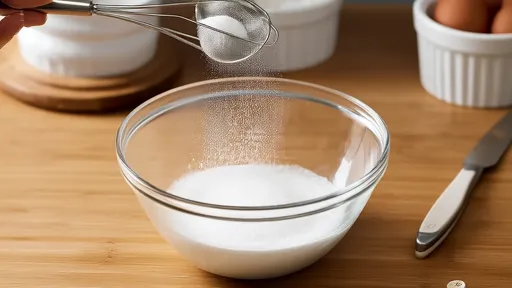
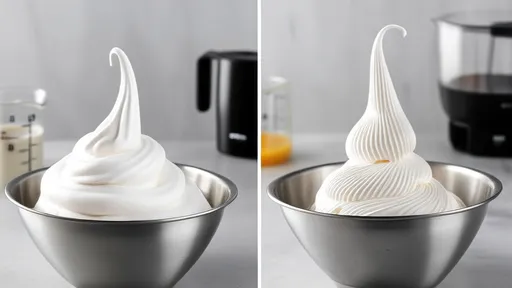
The gradual incorporation of powdered sugar forms the foundation of proper icing consistency. Rather than dumping the entire quantity into your mixing bowl at once, experienced decorators add it in stages, typically dividing the total amount into three or four portions. This methodical approach allows each addition to fully incorporate before assessing whether more sugar is needed. As the mixer runs on low speed, you'll notice the transformation from a liquid mixture to a thick, paste-like substance that forms soft peaks when lifted with a spatula.
Liquid adjustment requires an even more delicate touch than sugar incorporation. Here's where many beginners falter – adding too much liquid at once can irreversibly alter your icing's structure. The professional approach involves using an eyedropper or spray bottle to introduce minute quantities of liquid when thinning is necessary. Between each addition, allow at least thirty seconds of mixing time for the liquid to fully integrate before evaluating the consistency. This patience pays dividends when your icing maintains perfect stability for detailed work.
Seasoned decorators develop an instinct for judging icing consistency through visual and tactile cues. Properly mixed icing should form ribbons that hold their shape for several seconds before dissolving back into the mass when drizzled from a spoon. The "figure-eight test" remains a reliable indicator – when you can draw a complete figure eight with the icing ribbon without it breaking, you've achieved ideal piping consistency. For flood consistency used in filling areas, the ribbon should disappear back into the bowl within 2-3 seconds.
Environmental factors play a surprisingly significant role in icing consistency. Humidity can cause powdered sugar to clump and absorb moisture differently, while dry climates may require more liquid than recipes suggest. Professional kitchens often maintain strict climate control, but home bakers should account for these variables by adjusting their mixing process accordingly. On humid days, you might need slightly less liquid, while arid conditions could demand additional drops of water to achieve the desired flow.
The temperature of your ingredients and tools also affects the final product. Cold egg whites incorporate differently than room temperature ones, and metal bowls conduct heat differently than glass or ceramic. Some decorators swear by chilling their mixing bowl before starting to help maintain stability during extended decorating sessions. These subtle factors demonstrate why cookie decorating professionals rarely rely on exact measurements alone, instead developing a feel for the perfect consistency through experience.
When adjusting thickness, always err on the side of caution. It's far easier to thin thick icing than to thicken runny icing. If you do find yourself with icing that's too thin, the solution isn't simply adding more sugar – this can throw off your flavor balance. Instead, let the icing rest covered for 10-15 minutes to allow the sugar to fully hydrate. Often, this resting period alone will thicken the mixture sufficiently. If not, then proceed with minimal additional sugar, mixed in tablespoon by tablespoon.
Different decorating techniques demand specific consistencies that go beyond the basic thick/thin dichotomy. Fine line work requires an almost clay-like stiffness that holds its shape without spreading, while delicate lace patterns need a slightly softer version that still maintains definition. Flood consistency for filling areas needs enough fluidity to self-level but sufficient body to prevent color bleeding. Mastering these variations comes from understanding how incremental adjustments affect the icing's behavior on different surfaces.
Advanced decorators develop personalized approaches to consistency adjustments based on their specific techniques. Some keep multiple batches at different thicknesses ready for various decorating needs, while others master the art of on-the-fly adjustments during piping sessions. The true mark of expertise comes when a decorator can instinctively adjust consistency mid-project without breaking rhythm, seamlessly transitioning between outline and flood work by simply adding drops of liquid or pinches of sugar as needed.
Preserving perfect consistency throughout a decorating session presents its own challenges. Icing tends to crust over when exposed to air, and evaporation can gradually thicken your mixture. The professional solution involves keeping icing covered with damp cloths when not in use and storing portions in airtight containers. For marathon decorating sessions, some decorators employ slow mixer attachments that keep icing at perfect consistency for hours. These workflow considerations separate hobbyist efforts from professional-quality results.
Ultimately, the journey to mastering icing consistency is one of patience and practice. While guidelines and ratios provide starting points, the true understanding comes from hands-on experience – from feeling how the icing responds to pressure, observing how it flows from different tips, and learning how environmental conditions affect performance. The most breathtaking cookie designs always stem from this fundamental mastery of consistency control, proving that in royal icing work, the foundation truly determines the masterpiece.

By /Jun 18, 2025
By /Jun 18, 2025

By /Jun 18, 2025
By /Jun 18, 2025
By /Jun 18, 2025
By /Jun 18, 2025

By /Jun 18, 2025

By /Jun 18, 2025
By /Jun 18, 2025
By /Jun 18, 2025
By /Jun 18, 2025

By /Jun 18, 2025
By /Jun 18, 2025
By /Jun 18, 2025

By /Jun 18, 2025
By /Jun 18, 2025

By /Jun 18, 2025
