For those navigating the world of gluten-free baking, almond flour has emerged as a popular foundation for cakes and other treats. Its natural sweetness, nutty flavor, and high protein content make it an appealing alternative to traditional wheat flour. However, anyone who has experimented with almond flour knows that achieving the perfect texture—especially maintaining moisture—can be a delicate balancing act. Unlike wheat flour, almond flour lacks gluten, which plays a crucial role in structure and elasticity. This absence often leads to baked goods that are dense or crumbly if not properly addressed.
One of the key challenges in gluten-free baking is finding the right starch substitute to mimic the binding and textural properties of gluten. Starches such as tapioca, arrowroot, or potato starch are frequently used in combination with almond flour to improve the cake’s structure. The ratio of almond flour to starch is critical; too much starch can result in a gummy or dry texture, while too little may leave the cake overly fragile. A common starting point is a 3:1 ratio of almond flour to starch, but this can vary depending on the desired crumb and moisture level.
Moisture retention is another hurdle in gluten-free baking. Almond flour’s high fat content can contribute to richness, but without the water-absorbing properties of gluten, cakes can dry out quickly. Ingredients like applesauce, yogurt, or even pumpkin puree can be incorporated to add moisture without compromising structure. Additionally, eggs play a dual role in almond flour cakes—providing both leavening and binding. Some bakers opt for an extra yolk to enhance richness, while others use whipped egg whites to introduce lightness.
Another factor to consider is the natural oil content in almond flour. Since it contains more fat than wheat flour, reducing added fats like butter or oil can sometimes help prevent a greasy mouthfeel. However, cutting back too much may lead to dryness. This is where experimentation becomes essential. Some recipes benefit from a small amount of coconut oil or olive oil to maintain a tender crumb, while others rely on the moisture from dairy or fruit-based additions.
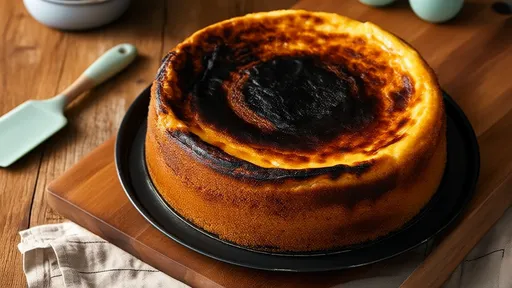
Baking time and temperature also play a significant role in the final texture of an almond flour cake. Gluten-free batters often require lower temperatures and longer baking times to prevent excessive browning or drying out. Covering the cake with foil partway through baking can help retain moisture, especially in recipes that include delicate ingredients like honey or maple syrup, which can caramelize too quickly at high heat.
Ultimately, the success of an almond flour cake hinges on understanding how each ingredient interacts within the gluten-free framework. Starch substitutions must be carefully measured, moisture-enhancing elements thoughtfully incorporated, and baking techniques adjusted to accommodate the unique properties of almond flour. With patience and practice, it’s entirely possible to achieve a cake that is not only gluten-free but also tender, moist, and utterly delicious.
By /Jun 18, 2025
By /Jun 18, 2025

By /Jun 18, 2025
By /Jun 18, 2025
By /Jun 18, 2025
By /Jun 18, 2025
By /Jun 18, 2025
By /Jun 18, 2025
By /Jun 18, 2025
By /Jun 18, 2025
By /Jun 18, 2025
By /Jun 18, 2025
By /Jun 18, 2025
By /Jun 18, 2025
By /Jun 18, 2025
By /Jun 18, 2025
By /Jun 18, 2025
