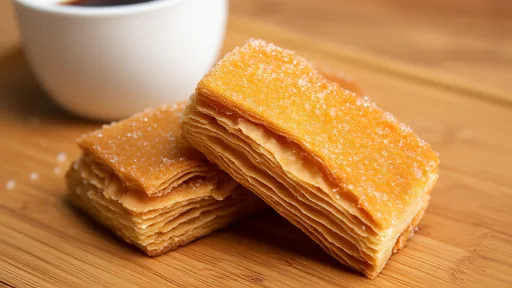
The delicate art of crafting Japanese rakugan confections represents a fascinating intersection of culinary precision and cultural tradition. These exquisite dry sweets, born in the Edo period as durable travel companions for samurai, demand extraordinary attention to detail – particularly during the two critical stages of roasted rice flour preparation and mold pressing. Mastering these techniques separates competent artisans from true masters of wagashi craftsmanship.
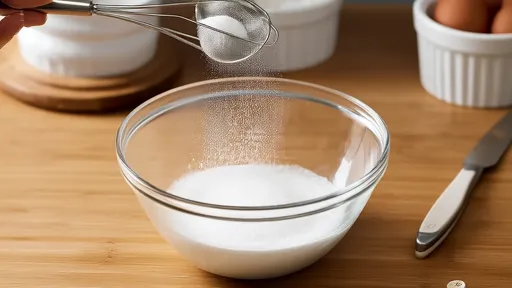
At the heart of rakugan production lies the transformative process of roasting mochigome rice flour. Artisans carefully dry-roast the powder in small batches using wide, shallow copper pans over controlled charcoal fires. The temperature must remain precisely between 110-120°C – hot enough to eliminate raw flour flavors and reduce moisture content to about 3%, yet cool enough to prevent caramelization that would compromise the sweet's signature pale hues. Veteran craftsmen judge doneness not by timers but by the flour's changing aroma and the subtle shift from bright white to an ivory tone, a skill often requiring decades to perfect.
The roasted flour's texture proves equally crucial to successful molding. Under-processed flour retains excessive moisture that causes crumbling during pressing, while over-roasted particles become hydrophobic and resist binding. Master confectioners test readiness by rubbing pinches of flour between their fingers, seeking that elusive balance where particles cling slightly yet separate cleanly. This perfect intermediate state, called ichiban-ko (first powder), creates the ideal matrix for sugar syrup integration while maintaining structural integrity.
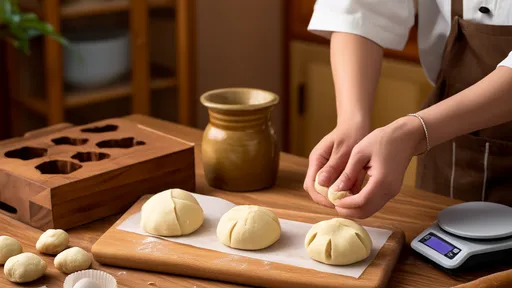
Molding pressure represents the other make-or-break factor in rakugan production. Traditional wooden kashigata molds, often hand-carved from cherry or boxwood, require precisely calibrated force during pressing. Too gentle an approach leaves designs indistinct and cakes prone to disintegration, while excessive pressure creates dense, tooth-breaking bricks rather than ethereal sweets that melt on the tongue. Artisans develop an almost meditative rhythm – typically applying 3-4 kg of pressure for 8-12 seconds depending on the mold's intricacy.
Seasonal variations further complicate the process. Humid summer months demand slightly longer roasting to compensate for atmospheric moisture, while winter's dry air necessitates gentler pressing to prevent cracking. The most skilled craftsmen adjust their techniques not just by season but by the day's specific weather conditions, a practice known as tenki-awase (weather matching). This hyper-awareness extends to selecting different wood types for molds based on seasonal humidity – magnolia for its moisture resistance in rainy seasons, pear wood for its stability during dry periods.
Modern technology has introduced some conveniences like electric roasters and hydraulic presses, but traditionalists maintain that these cannot replicate the nuanced control of manual methods. A master using centuries-old techniques can produce rakugan with sharper definition and more delicate texture than machine-made versions, particularly for complex designs like Kyoto's elaborate kyo-rakugan. The human hand senses subtle resistance changes as flour compacts, adjusting pressure millisecond-by-millisecond in ways machines cannot yet emulate.
The final test of perfect technique comes during unmolding. Well-crafted rakugan should release cleanly with a single sharp tap, maintaining intricate details down to the finest 0.2mm lines in traditional patterns. This moment of truth separates adequate work from exceptional craftsmanship – the difference between a mere sweet and an edible art piece that has captivated Japanese aesthetics for generations. As contemporary pastry chefs rediscover these ancient techniques, the legacy of rakugan continues evolving while staying rooted in its exacting traditional methods.
By /Jun 18, 2025
By /Jun 18, 2025

By /Jun 18, 2025
By /Jun 18, 2025
By /Jun 18, 2025
By /Jun 18, 2025
By /Jun 18, 2025
By /Jun 18, 2025
By /Jun 18, 2025
By /Jun 18, 2025
By /Jun 18, 2025
By /Jun 18, 2025
By /Jun 18, 2025
By /Jun 18, 2025

By /Jun 18, 2025
By /Jun 18, 2025

By /Jun 18, 2025
